
Project Management Triangle

What is the Project Management Triangle? Definition and meaning

The project management triangle refers to the target variables in project management that determine the success of a project. It is used as a controlling element.

Structure of the Project Management Triangle

The three target variables time, cost and performance (or quality) are symbolised by the corners of a triangle. If one target variable is changed, this affects the other two and can jeopardise the achievement of the project goal.

In order to keep the project management triangle in balance, the corners should always be in equilibrium.
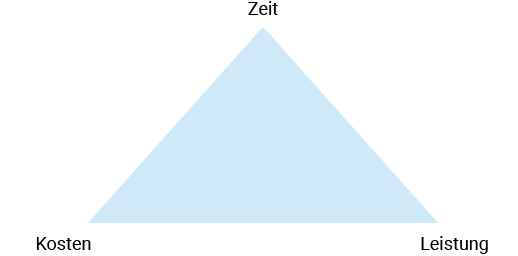
Project Management Triangle

Frequently asked questions

Which target variables make up the project management triangle?
The project management triangle consists of the three target variables time, cost and performance or quality. They are symbolised by the corners of a triangle and together form the framework for a project's success.
Why is the triangle described as “magic”?
Because the three target variables depend on one another: change one corner and it affects the other two, potentially putting the project goal at risk. Only when it is in balance does the triangle stay stable.
What is the project management triangle used for?
It serves as a controlling element for keeping time, cost and performance in view. With projectfacts project management, these target variables can be steered and balanced together.